

Product Introduction
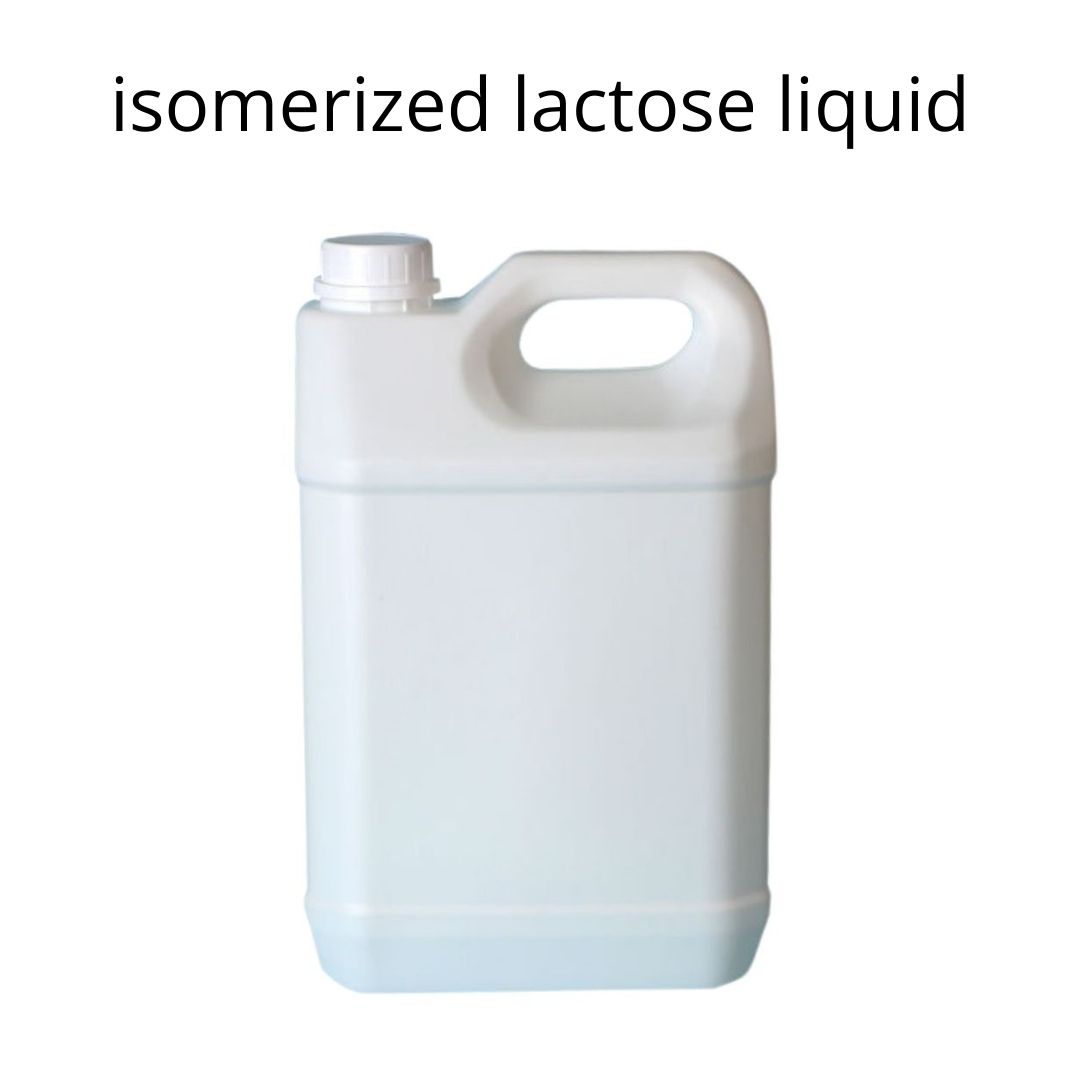
Isomerized lactose liquid, also known as lactulose liquid, is a synthetic disaccharide formed from fructose and galactose, that is not found in nature. It is produced by the isomerization of lactose. This process converts lactose, a sugar naturally found in milk, into lactulose, distinguishing it through its unique molecular structure and physiological properties. Lactulose is known for its prebiotic effects and its use as a laxative.
Product Manufacturing Process
The manufacturing process of isomerized lactose liquid generally involves the isomerization of lactose, often derived from whey, a byproduct of cheese production. This isomerization is typically achieved through alkaline conditions, using bases such as sodium hydroxide or calcium hydroxide, as catalysts. The reaction is carefully controlled to optimize the conversion of lactose to lactulose while minimizing the formation of unwanted byproducts. After isomerization, the solution is neutralized, purified by removing salts and other impurities, often through ion-exchange resins or other separation techniques, that are well established. The purified solution is then concentrated to achieve the desired lactulose concentration, thus producing the final isomerized lactose liquid product.
Product Applications
Isomerized lactose liquid finds primary applications in the pharmaceutical and food industries. In pharmaceuticals, it is widely used as a laxative to treat constipation and hepatic encephalopathy for its mechanism of action involves increasing water content in the colon, softening stools, and promoting bowel movements. As a prebiotic in food and beverage products, it promotes the growth of beneficial bacteria in the gut, contributing to digestive health and overall well-being. It can be added to yogurt, beverages, and other food products, thereby enhancing their nutritional value.
Packaging and Storage
Isomerized lactose liquid should be packaged in clean, dry, and airtight containers to prevent microbial contamination and maintain product quality. Suitable packaging materials include food-grade plastic containers, or stainless steel drums. The product should be stored in a cool, dry, and well-ventilated area, away from direct sunlight and heat sources. The recommended storage temperature is typically between 15°C and 25°C. Proper storage conditions help to ensure the stability and extend the shelf life of isomerized lactose liquid, maintaining its efficacy and safety.
Citations
- Shariati, M., et al. "Lactulose: Properties, Production and Applications." Journal of Food Science and Technology, vol. 57, no. 2, 2020, pp. 447-466.
- Guevara-Gonzalez, R.G., et al. "Lactulose: An Overview." Food Technology and Biotechnology, vol. 50, no. 2, 2012, pp. 131-138.

As the plant manager, I focus on the precise formulation and efficient production of food additives. We rigorously control the production process to ensure the quality and safety of each product, meeting industry standards. 🍴