

Product Introduction
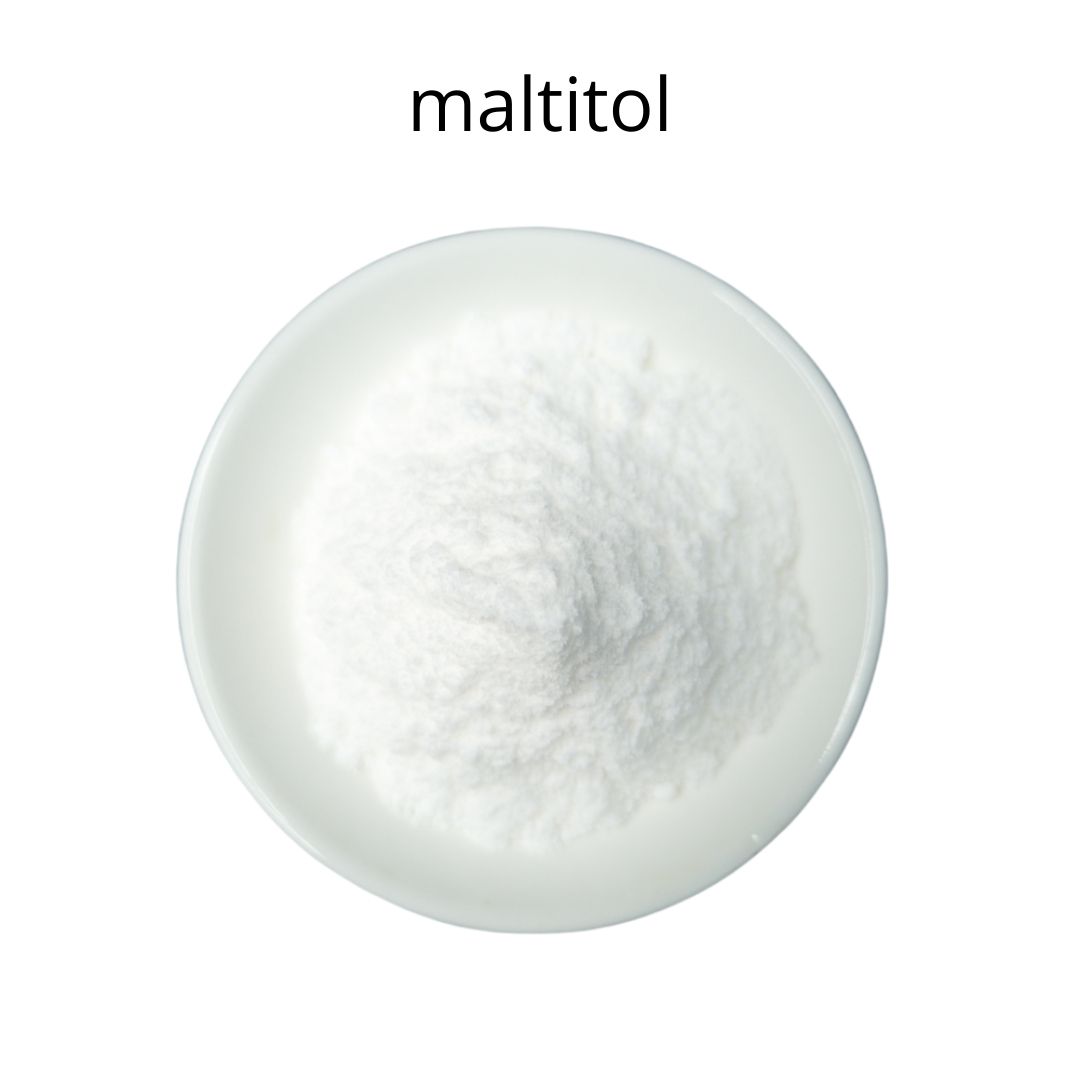
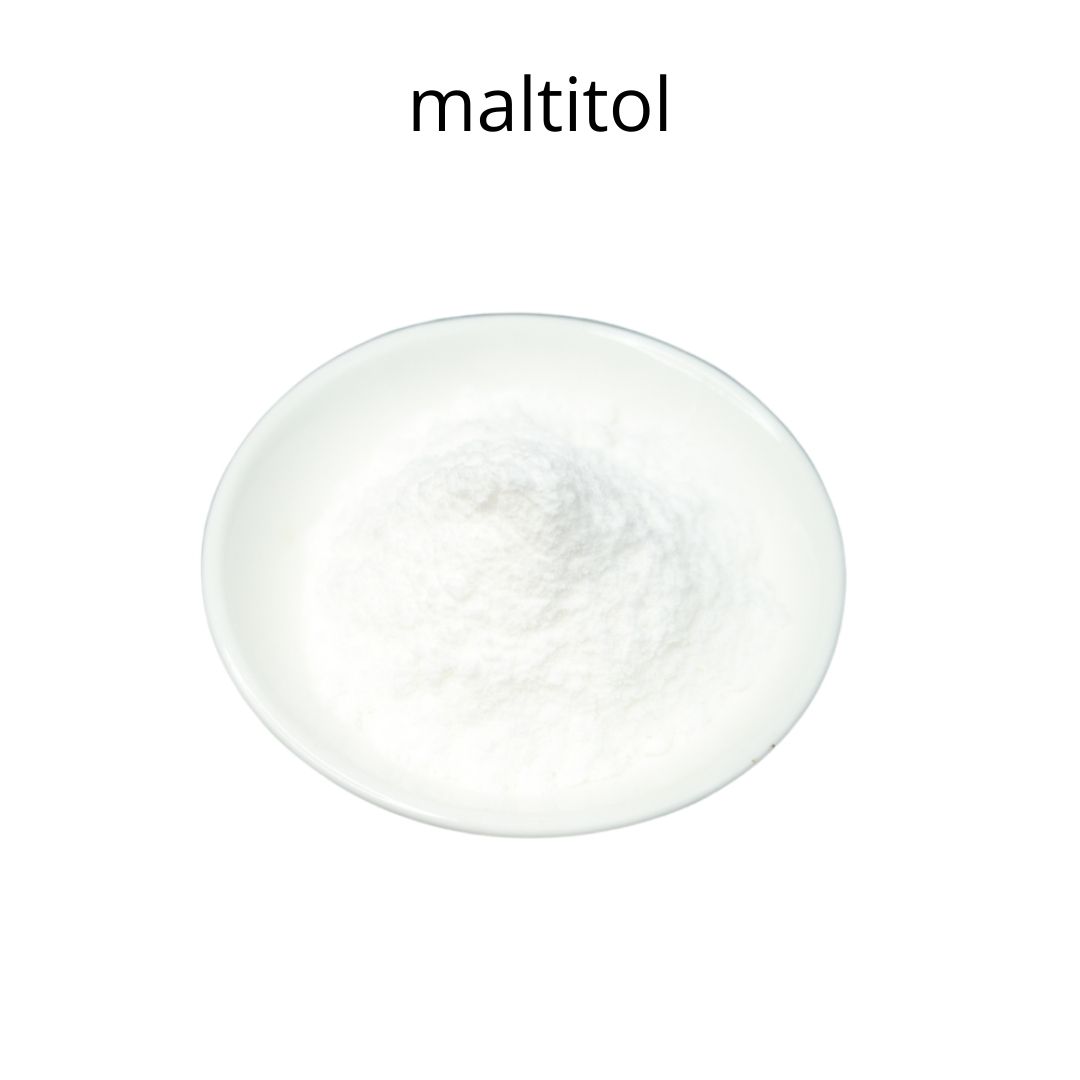
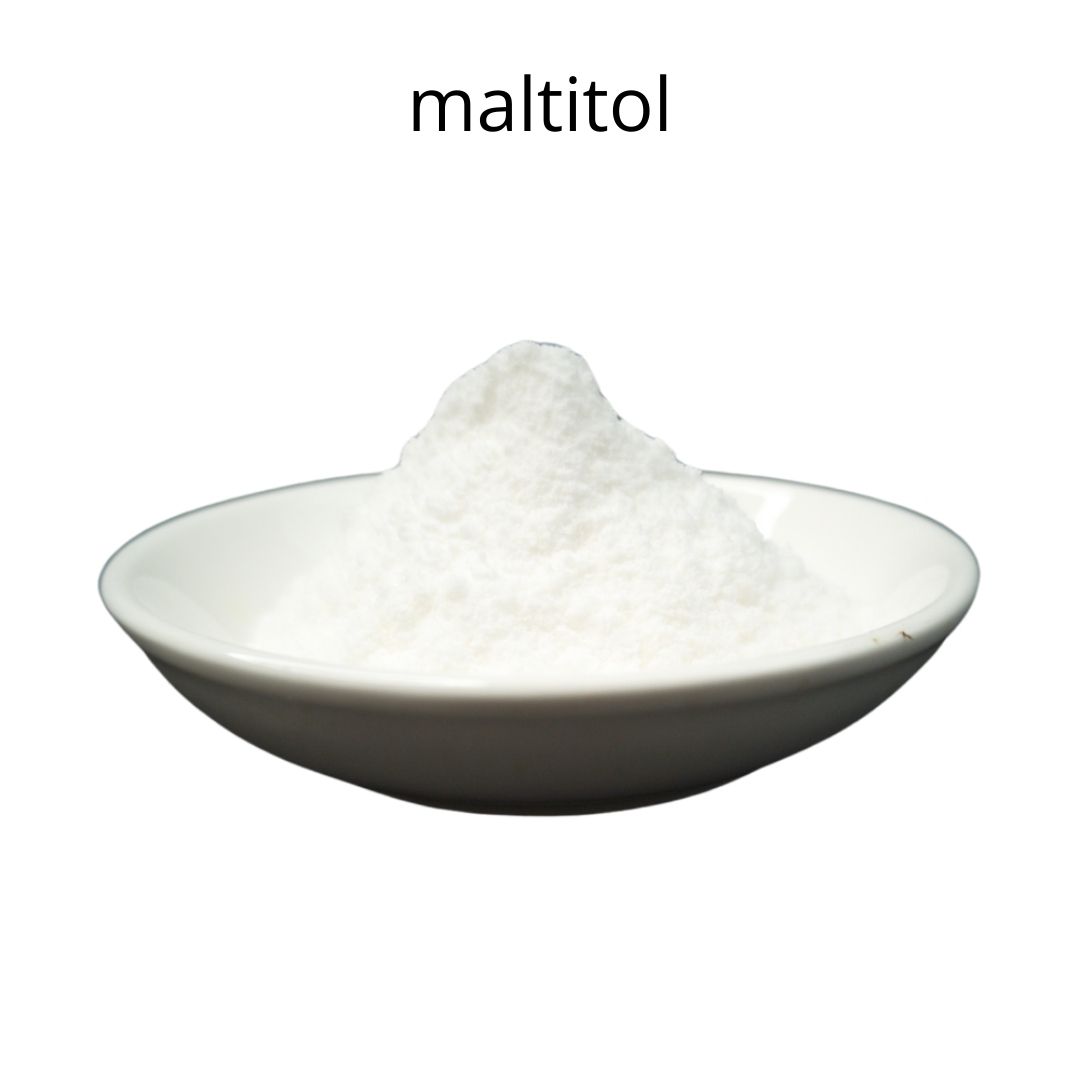
Maltitol is a sugar alcohol, also known as a polyol, used as a sugar substitute. It is derived from the hydrogenation of maltose, which is obtained from starch. Maltitol exists as a white, crystalline powder and is about 90% as sweet as sucrose, or table sugar. Maltitol is favored in the food industry due to its similar taste and texture to sugar, while providing fewer calories.
Product Manufacturing Process
The production of maltitol generally involves a multi-step process. First, starch, typically corn or wheat starch, undergoes enzymatic hydrolysis to produce maltose. This maltose solution is then purified and hydrogenated using a nickel catalyst under high pressure and temperature. The hydrogenation process converts maltose into maltitol. Finally, the maltitol solution is purified, concentrated, and crystallized. The crystals are then dried and milled to obtain the desired particle size [1].
Product Applications
Maltitol is widely used in the food and beverage industry as a sweetener. It is commonly found in sugar-free candies, chocolates, ice cream, baked goods, and chewing gum [2]. In addition to its sweetening properties, maltitol can also function as a humectant, texturizer, and stabilizer in various food formulations. Maltitol is also used in pharmaceutical applications as an excipient in tablets and coatings [3].
Packaging and Storage
Maltitol should be packaged in airtight containers to prevent moisture absorption. It is recommended to store it in a cool, dry place away from direct sunlight and heat. Under proper storage conditions, maltitol has a shelf life of approximately two years [4].
Citations
[1] Akeson, W. R., & Stahmann, M. A. (1965). A pepsin pancreatin digest index of protein quality evaluation. Journal of Nutrition, 87(2), 161-168.
[2] Livesey, G. (2003). Health potential of polyols and other low-digestible carbohydrates, with emphasis on their effects on glucose, insulin, and lipid responses. Nutrition Reviews, 61(12), 397-410.
[3] Roberts, I. D. (2018). Sugars and related sweeteners used in food products. Handbook of Food Chemistry, 1-24.
[4] Cerestar. (2002). Maltitol C [Data sheet].

As the plant manager, I focus on the precise formulation and efficient production of food additives. We rigorously control the production process to ensure the quality and safety of each product, meeting industry standards. 🍴