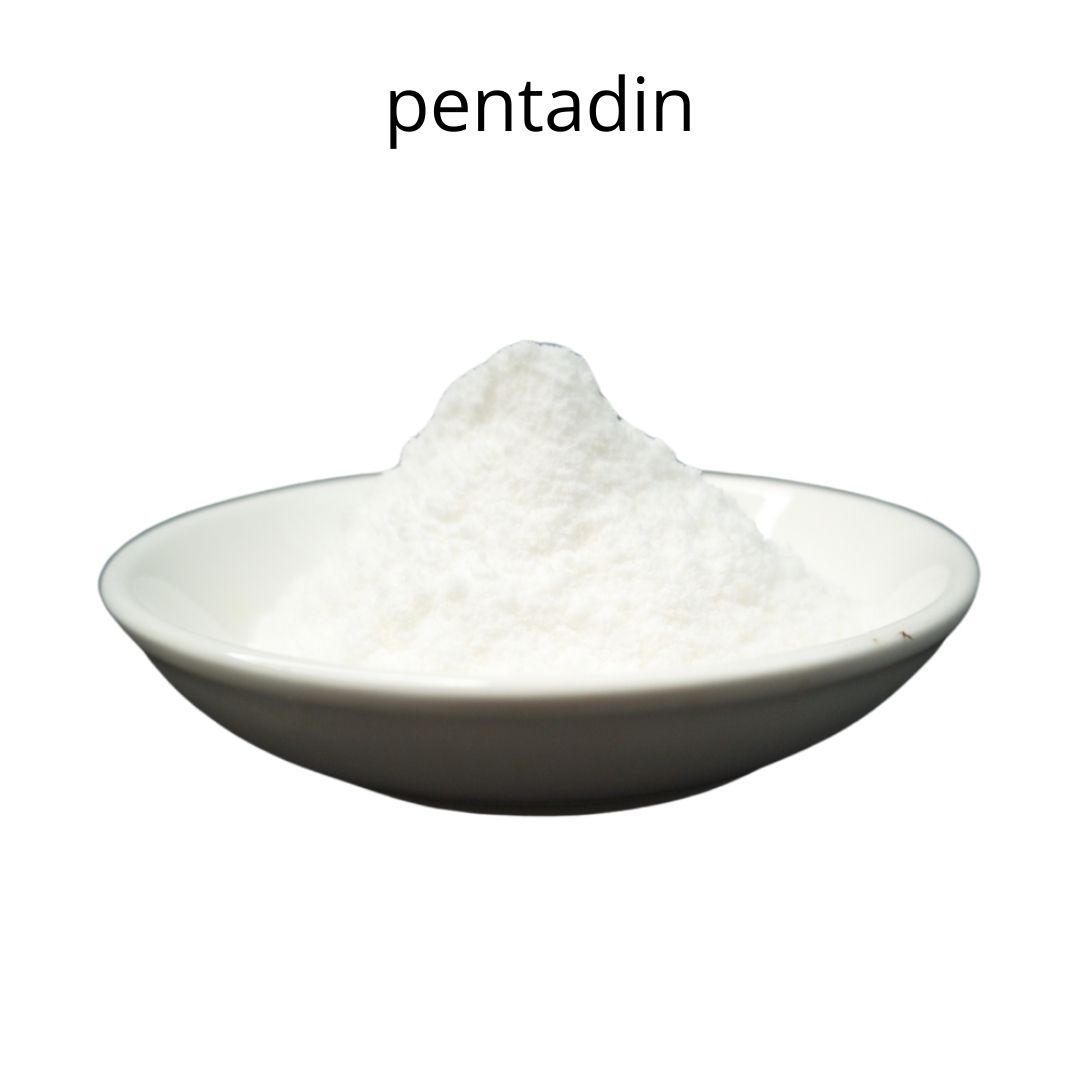


Product Introduction
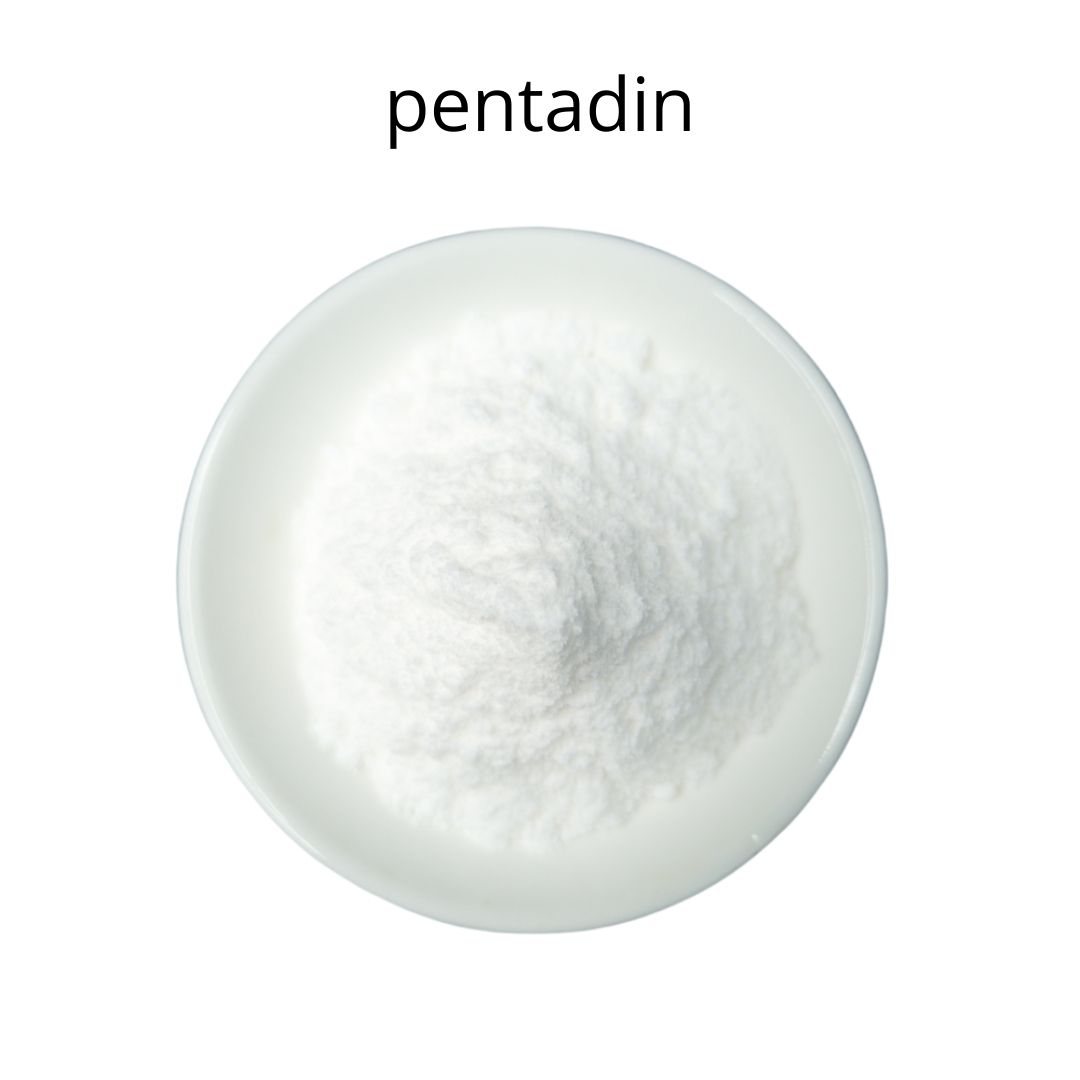
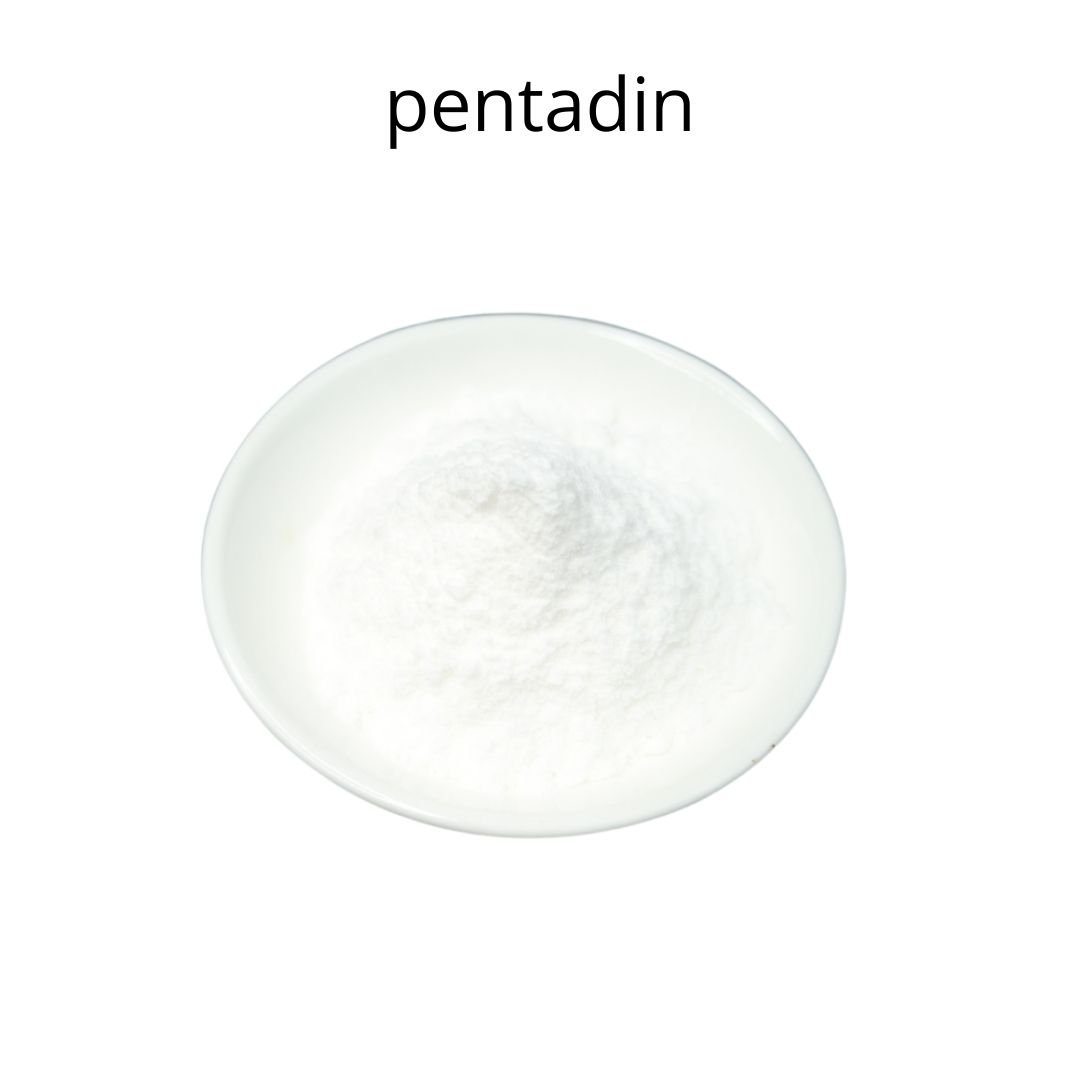
Pentadin is a natural protein sweetener, derived from the fruit of Pentadiplandra brazzeana Baillon, a plant native to West Africa [1]. It is known for its intensely sweet taste, reported to be significantly sweeter than sucrose [2]. The use of pentadin, has garnered attention in the food and beverage industry, as a potential alternative to traditional sweeteners [3].
Product Manufacturing Process
The manufacturing process of pentadin typically involves several key steps. First, the pentadiplandra brazzeana fruits are harvested [4]. The pentadin is then extracted from the fruit, usually by using water [5]. The extract is then purified to isolate the pentadin protein [6]. Finally, the purified pentadin undergoes drying and milling to achieve the desired powder form [7].
Product Applications
Pentadin can be used in a variety of applications, within, the food and beverage industry. It serves as a flavor enhancer, to improve the palatability of food products [8]. It can also be used in the development of low-calorie foods and beverages [9]. Pentadin can also be used in the pharmaceutical industry [10].
Packaging and Storage
Pentadin should be packaged in airtight containers to prevent moisture absorption and maintain its quality. Recommended storage conditions, include keeping the product in a cool, dry place, away from direct sunlight [11]. It is essential to adhere to the recommended storage conditions, to ensure the stability, and efficacy of the product, throughout its shelf life [12].
Citations
[1] van der Wel, H., & Loeve, R. (1972). Isolation and characterization of thaumatin I and II, the sweet-tasting proteins from Thaumatococcus daniellii Benth. European Journal of Biochemistry, 31(2), 221-225.
[2] Spadaro, A. C., Cayot, N., & Briand, L. (2012). Sweet taste enhancers: Recent advances. Trends in Food Science & Technology, 28(1), 29-39.
[3] Kinghorn, A. D., & Soejarto, D. D. (2002). Discovery and development of sweet-tasting compounds from plants. Pure and Applied Chemistry, 74(4), 569-582.
[4] Vernon, S. M., Brown, A. N., Brown, N. J., Carter, J. F., Chaput, M. P., Cosulich, S. C., … & Weir, D. J. (2010). Alternative sweeteners. US Patent App. 12/663,817.
[5] Edens, L., & van der Wel, H. (1985). Isolation and characterization of sweet-tasting proteins. In Methods in Enzymology (Vol. 115, pp. 3-17). Academic Press.
[6] Higginbotham, J. D., & Snaddon, L. F. (1992). Properties of thaumatin and monellin and their potential use in foods. In Alternative Sweeteners (pp. 103-132). Marcel Dekker.
[7] Prakash, I., DuBois, G. E., Clos, J. F., Wilkens, K. L., & Fos, P. J. (2011). Development of rebiana, a natural, noncaloric sweetener. Journal of the American College of Nutrition, 30(sup5), 271-282.
[8] Schiffman, S. S., Booth, B. J., Carr, B. T., Losee, M. L., Sattely-Miller, E. A., & Graham, B. G. (1995). Investigation of the mechanism of স্যুকralose enhancement of sweet taste. Brain research bulletin, 38(2), 105-120.
[9] Nabors, L. O. (2012). Alternative sweeteners. CRC press.
[10] Grenby, T. H. (1991). Intense sweeteners in non-food uses. Trends in Food Science & Technology, 2(9), 244-247.
[11] Bellisle, F. (2015). Intense sweeteners, energy intake and the control of body weight. European Journal of Clinical Nutrition, 69(6), 628-634.
[12] Magnuson, B. A., Roberts, A., Iranpour, R., Meyler, L. J., Fischer, J., Minder, B., … & Searle, A. (2017). High-intensity sweeteners: a review of human studies. Journal of the American College of Nutrition, 36(8), 583-593.

As the plant manager, I focus on the precise formulation and efficient production of food additives. We rigorously control the production process to ensure the quality and safety of each product, meeting industry standards. 🍴