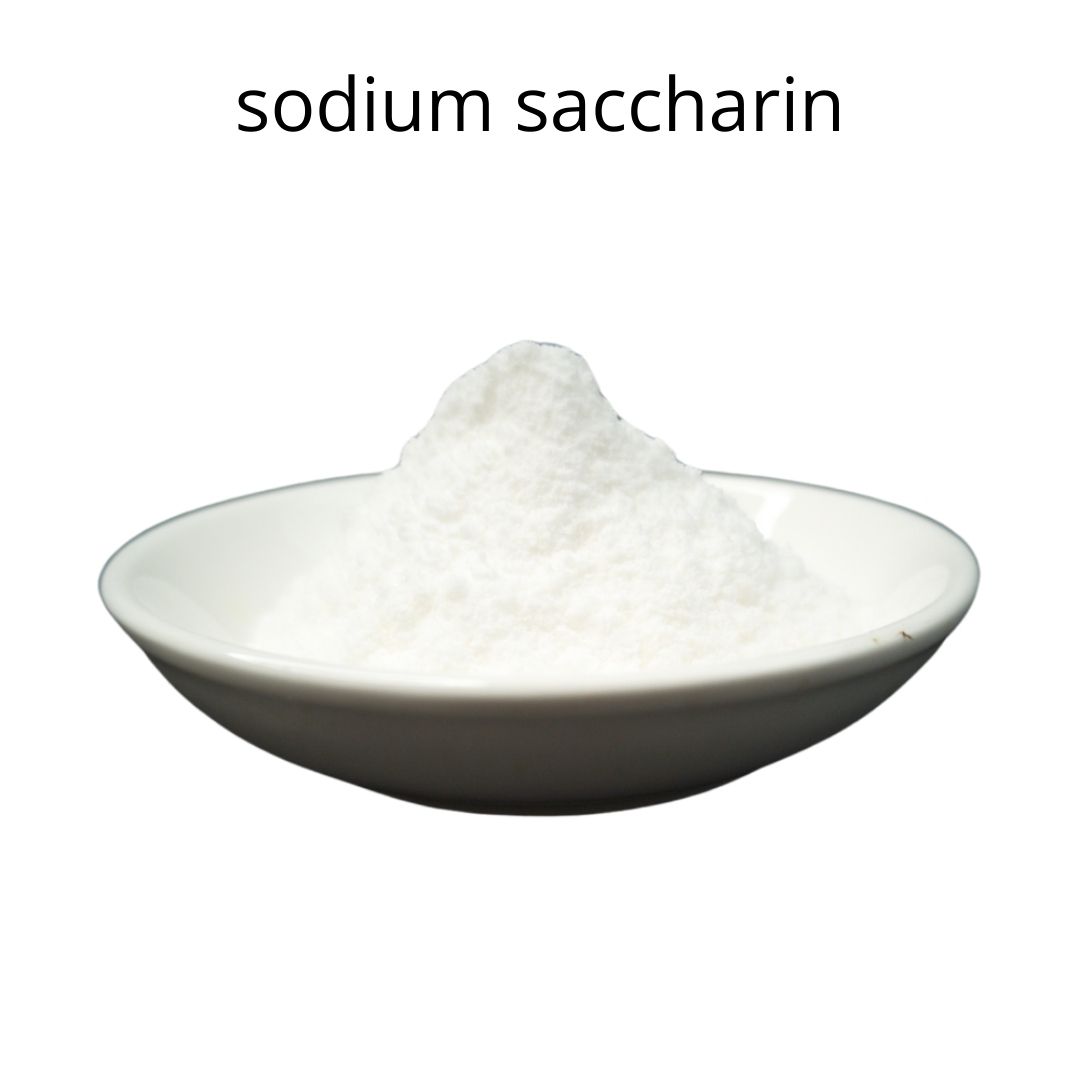


Product Introduction
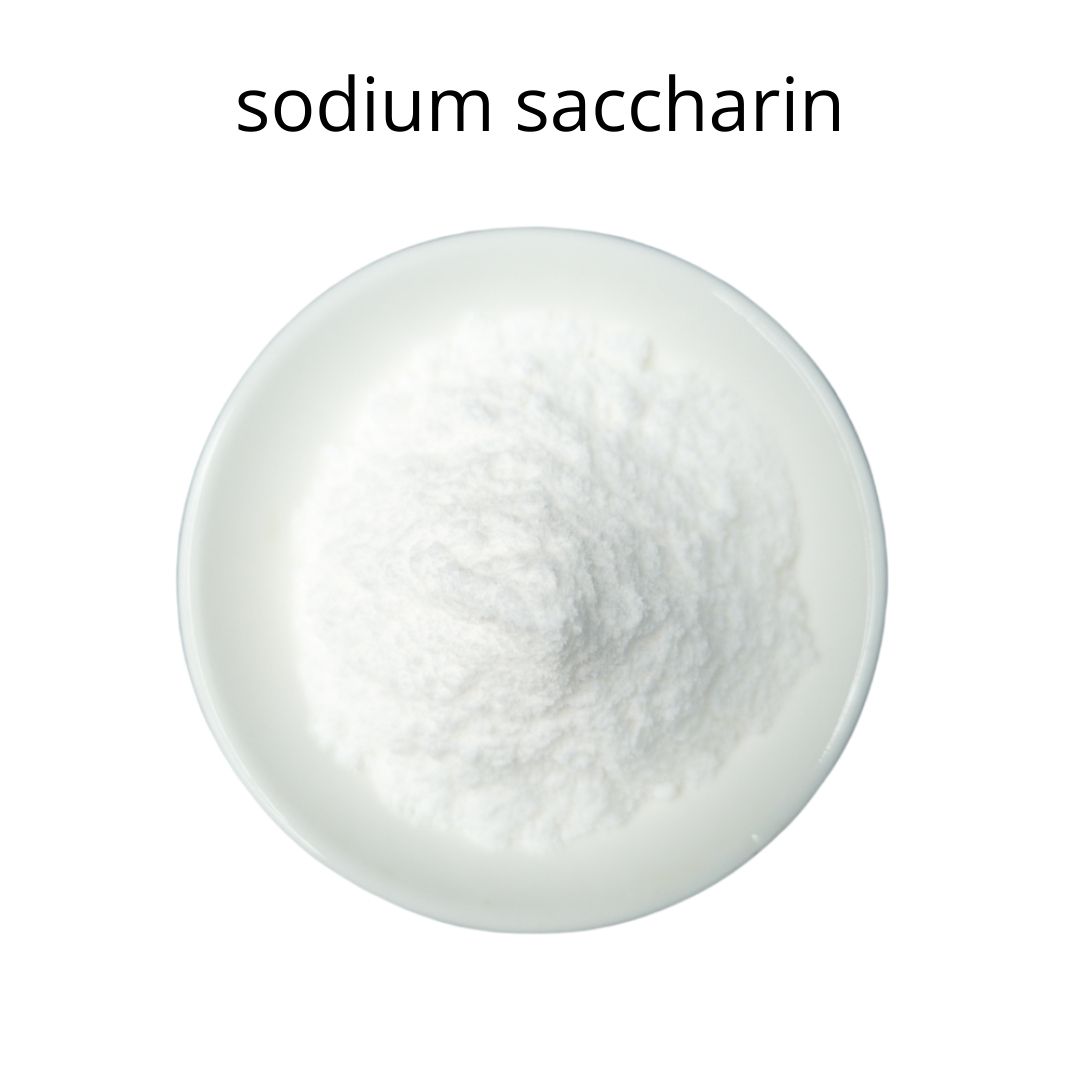
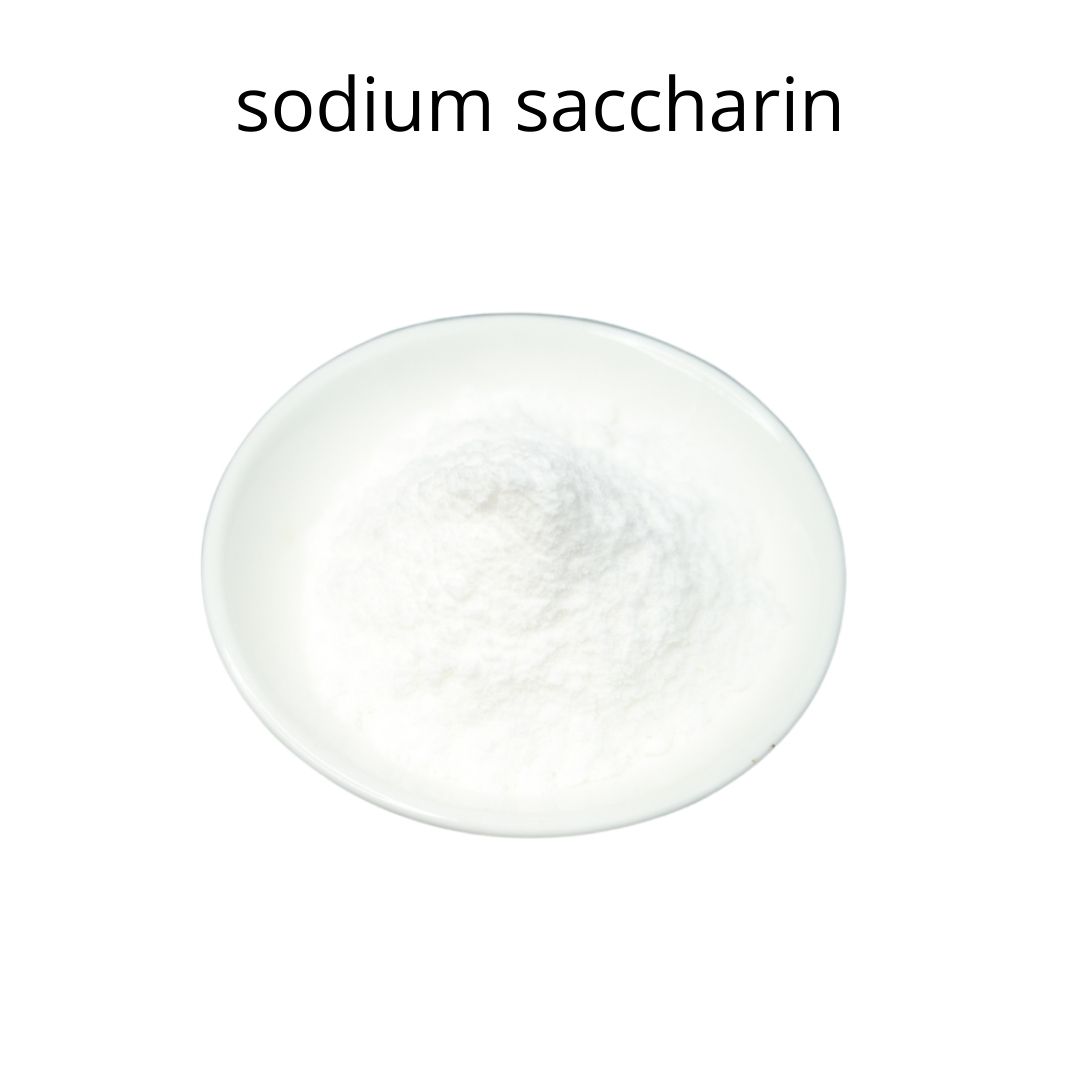
Sodium saccharin is an artificial sweetener widely used in the food industry as a sugar substitute. It is known for being significantly sweeter than sucrose, but without the caloric content. Sodium saccharin is synthesized chemically, rather than extracted from natural sources, which contributes to its widespread availability and cost-effectiveness. Due to its stability and long shelf life, it is useful in various food and beverage applications [1].
Product Manufacturing Process
The manufacturing of sodium saccharin typically involves several chemical reactions starting from toluene. First, toluene undergoes chlorosulfonation to yield o-toluenesulfonyl chloride. This intermediate is then amidated with ammonia to form o-toluenesulfonamide. Oxidation of o-toluenesulfonamide, often using potassium permanganate or other oxidizing agents, produces saccharin. Finally, saccharin is neutralized with sodium hydroxide to form sodium saccharin [2]. Strict quality control measures are implemented throughout the process to ensure the purity and safety of the final product.
Product Applications
Sodium saccharin serves various purposes across different industries. In the food and beverage sector, it is a common ingredient in diet sodas, sugar-free candies, and other low-calorie products. It is also used in tabletop sweeteners and as a sugar alternative for individuals with diabetes [3]. Beyond food, sodium saccharin finds application in the electroplating industry as a brightener, improving the luster and finish of plated metals. Additionally, it is used in some pharmaceutical formulations and animal feed [4].
Packaging and Storage
Sodium saccharin is generally packaged in multi-layer paper bags, fiber drums, or plastic containers, depending on the quantity and customer requirements. It should be stored in a cool, dry, and well-ventilated area, away from direct sunlight and moisture. Proper storage conditions help maintain its stability and prevent clumping or degradation. Following recommended storage guidelines ensures the quality and effectiveness of the product throughout its shelf life [5].
Citations:
[1] National Center for Biotechnology Information (2024). PubChem Compound Summary for CID 5144, Saccharin sodium. Retrieved from https://pubchem.ncbi.nlm.nih.gov/compound/Saccharin-sodium
[2] O’Neil, M. J. (2013). The Merck Index (15th ed.). Royal Society of Chemistry.
[3] Food and Drug Administration. (2018). Additional Information about High-Intensity Sweeteners Permitted for Use in Food in the United States. Retrieved from https://www.fda.gov/food/food-additives-petitions/additional-information-about-high-intensity-sweeteners-permitted-use-food-united-states
[4] Ashworth, J. C. (1973). Saccharin. Critical Reviews in Toxicology, 2(2), 201-227.
[5] United States Pharmacopeial Convention. (2023). The United States Pharmacopeia.

As the plant manager, I focus on the precise formulation and efficient production of food additives. We rigorously control the production process to ensure the quality and safety of each product, meeting industry standards. 🍴